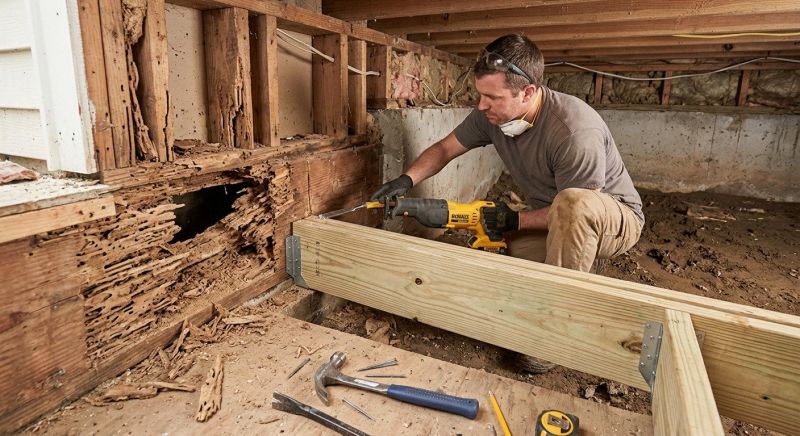
Termite Damage Restoration in Alpharetta, GA
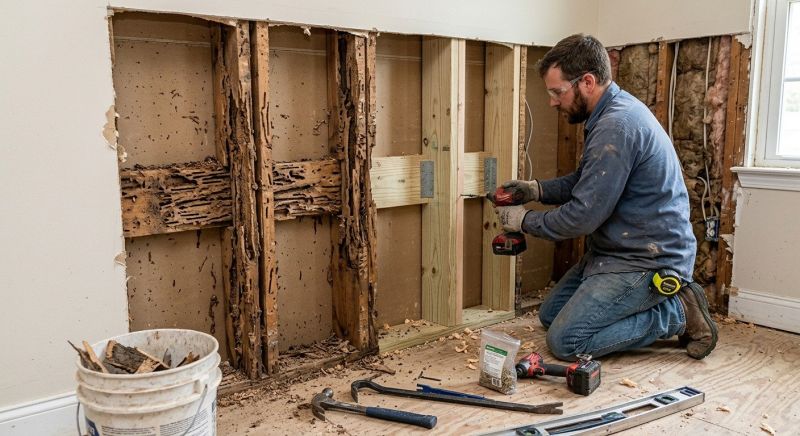
Termite damage restoration services involve assessing and repairing property affected by termite infestations. These projects typically include removing damaged wood, replacing or reinforcing structural elements, and treating the affected areas to prevent future infestations. Property owners often seek this service after noticing signs of termite activity, such as hollow-sounding wood, mud tubes, or visible damage to framing and support beams. Understanding the extent of the damage and the scope of repairs needed can help homeowners make informed decisions about restoring their property’s safety and stability.
Before requesting termite damage restoration, property owners usually want to know the severity of the damage and whether structural components are compromised. It’s important to evaluate if the damage affects load-bearing elements or if additional pest control measures are necessary to prevent recurrence. Clarifying the types of materials that can be repaired or replaced and understanding the process involved in restoring the property can ensure that homeowners are prepared for the scope of work involved in returning their home to a secure condition.
Many property owners in Alpharetta, GA look into Termite Damage Restoration for repairs, replacements, upgrades, and appearance-related improvements.
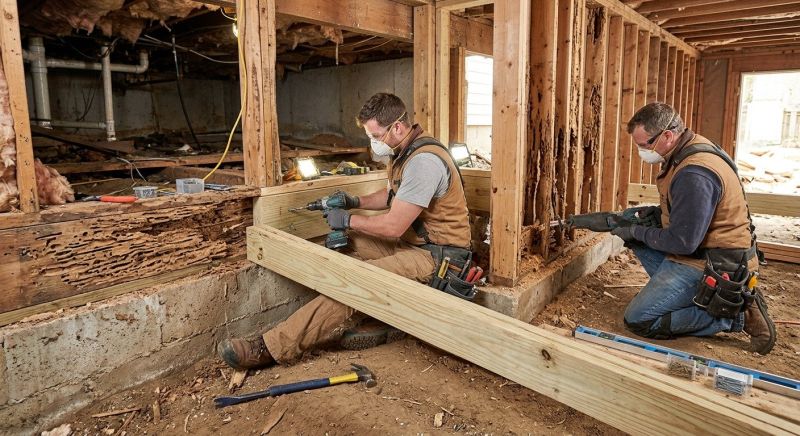
Identifying Termite Damage
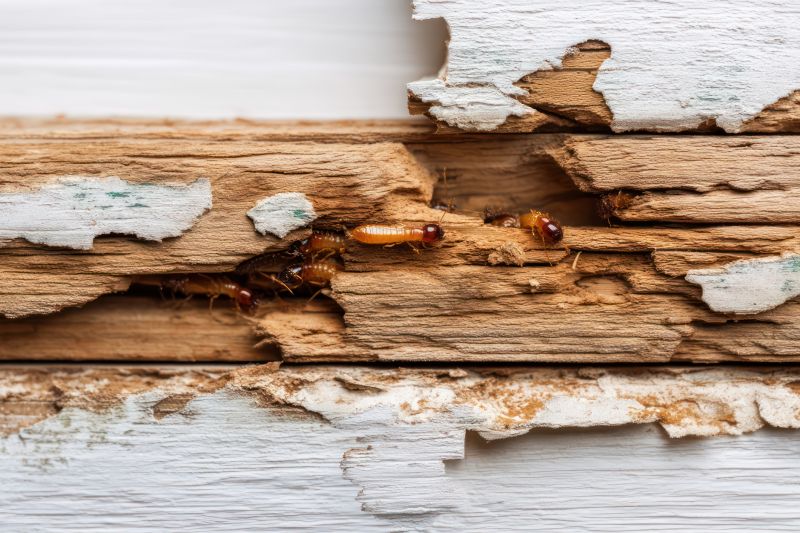
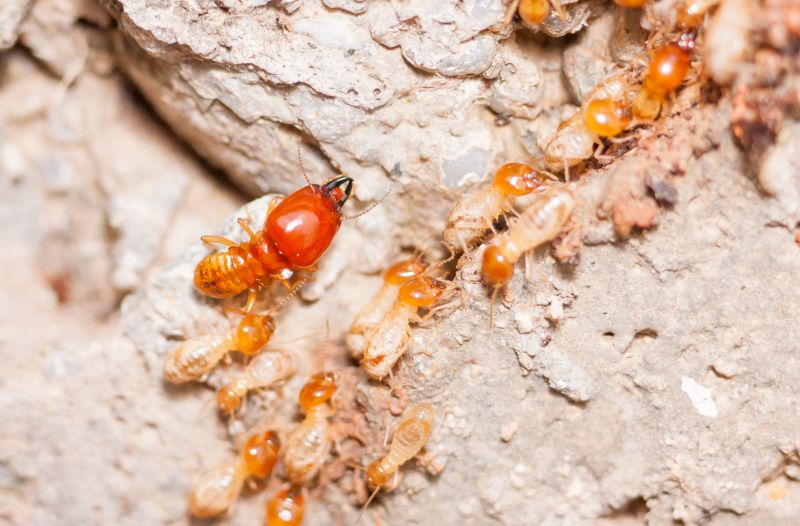
Signs of termite activity can include hollow wood and discarded wings around the property.
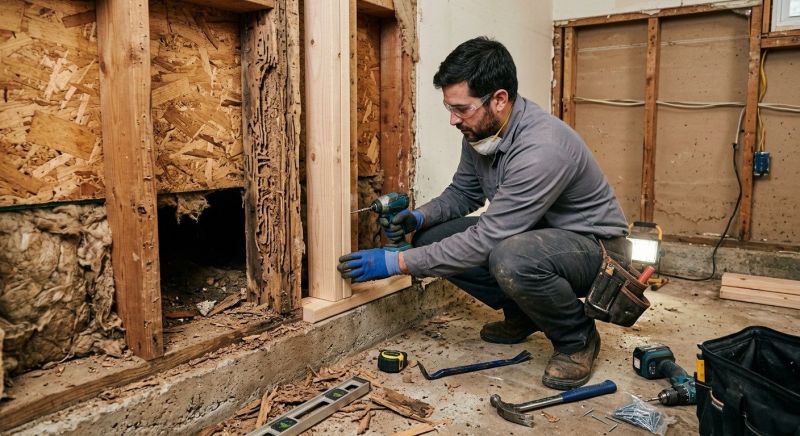
Restoration Process
Repairing termite damage involves removing affected materials and restoring structural integrity.
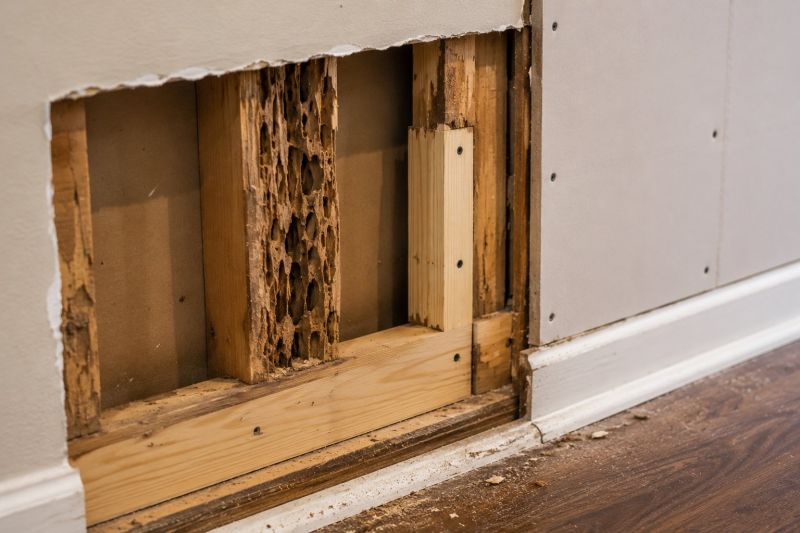
Preventative Measures
Implementing barriers and regular inspections can help protect homes in alpharetta from future infestations.
Termite Damage Restoration in Alpharetta, GA

Termite damage restoration services involve assessing and repairing property affected by termite infestations. These projects typically include removing damaged wood, replacing or reinforcing structural elements, and treating the affected areas to prevent future infestations. Property owners often seek this service after noticing signs of termite activity, such as hollow-sounding wood, mud tubes, or visible damage to framing and support beams. Understanding the extent of the damage and the scope of repairs needed can help homeowners make informed decisions about restoring their property’s safety and stability.
Before requesting termite damage restoration, property owners usually want to know the severity of the damage and whether structural components are compromised. It’s important to evaluate if the damage affects load-bearing elements or if additional pest control measures are necessary to prevent recurrence. Clarifying the types of materials that can be repaired or replaced and understanding the process involved in restoring the property can ensure that homeowners are prepared for the scope of work involved in returning their home to a secure condition.
Many property owners in Alpharetta, GA look into Termite Damage Restoration for repairs, replacements, upgrades, and appearance-related improvements.
Common Termite Damage Restoration Jobs
Termite Damage Repair - restores structural integrity after termite infestations compromise wood and framing.
Wood Replacement - involves replacing damaged or weakened wood components affected by termites.
Structural Reinforcement - strengthens affected areas to ensure safety and stability of the property.
Damage Assessment - evaluates the extent of termite-related damage to determine necessary repairs.
Surface Restoration - repairs and refinishes damaged drywall, trim, and other interior surfaces.
Preventative Treatments - applies treatments to prevent future termite activity and protect repaired areas.
Termite Damage Restoration Questions
What is termite damage restoration? It involves repairing and restoring property areas affected by termite activity, including wood replacement and structural repairs.
What types of damage are common with termites? Termites typically cause wood decay, hollowed-out wood structures, and weakened framing components.
How can property owners identify termite damage? Signs include mud tubes, discarded wings, and damaged wood that sounds hollow when tapped.
What should be included in a termite damage restoration project? The process often involves removing damaged materials, treating the area for termites, and restoring affected structures.
Request Termite Damage Restoration in Alpharetta, GA
Use the quote form on this page to share the basics of your project and request more information for the type of work you need.